- Parc de l'Alliance, Avenue du Japon 1 1420 Braine l'Alleud
- 02 386 03 00
- leads@webforce.be

Exploring the diverse cultural attitudes toward gambling across the globe
Membership Mystery Jack Rtp slot machine Frozen!
mars 16, 2026Les sensations fortes à portée de main boostez vos gains et votre divertissement avec lexpérience u
mars 16, 2026Exploring the diverse cultural attitudes toward gambling across the globe
The Historical Context of Gambling
Gambling has been an integral part of human culture for centuries, with its roots tracing back to ancient civilizations. From the use of dice in Mesopotamia to betting on chariot races in ancient Rome, these activities were often seen as a form of entertainment and social interaction. However, the perception of gambling has evolved significantly over time, influenced by religious beliefs, societal norms, and economic factors. In some cultures, gambling was celebrated, while in others, it was viewed with suspicion or outright prohibition. Those interested in a more interactive gaming experience may find the ice fishing game captivating.
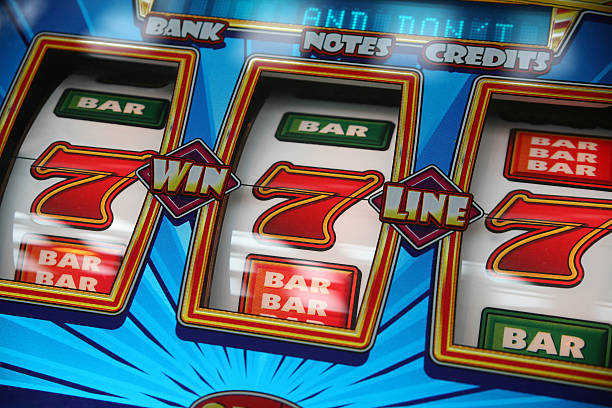
The historical context of gambling helps to understand its varying acceptance across different cultures today. For instance, in many Western societies, gambling has been largely commercialized and integrated into mainstream entertainment, whereas in some Eastern cultures, it may still carry negative connotations associated with addiction and moral decay. This historical backdrop sets the stage for exploring contemporary attitudes toward gambling around the world.
Modern Views on Gambling in the West
In many Western countries, gambling has become a widely accepted form of entertainment. This acceptance is evident in the proliferation of casinos, lotteries, and online gambling platforms that cater to diverse audiences. In places like Las Vegas and Atlantic City, gambling is not only a significant economic driver but also a cultural phenomenon that attracts millions of tourists each year. Here, gambling is often associated with luxury, excitement, and socializing.
However, this casual attitude towards gambling is not universal even within Western societies. Certain regions and communities may still harbor conservative views, especially where religious beliefs play a significant role. Additionally, the rise of problem gambling has prompted discussions about responsible gambling practices, highlighting the need for a balanced approach to this popular pastime.
Cultural Attitudes Toward Gambling in Asia
In Asia, cultural attitudes toward gambling are incredibly diverse, reflecting a wide array of traditions and beliefs. In countries like China, gambling is deeply embedded in social practices, particularly during festivals where activities such as card games and dice rolling are commonplace. However, it’s important to note that while gambling can be seen as a social activity, it is also surrounded by strict regulations and taboos, especially in areas like Macau, where government control is prevalent.
Conversely, in countries such as Japan, gambling is restricted to specific forms, like Pachinko parlors, which blend gaming with amusement. This hybrid approach demonstrates how gambling can be adapted to fit cultural preferences while still being economically beneficial. As more Asian countries consider the legalization of casinos and sports betting, the discourse surrounding gambling continues to evolve.
Gambling in the Middle East and Africa
In the Middle East, gambling is largely influenced by Islamic teachings, which generally prohibit gambling activities. This perspective shapes societal norms and legal frameworks, resulting in minimal acceptance of gambling. However, underground gambling activities still exist in various forms, highlighting the ongoing tension between cultural practices and religious doctrine.
In contrast, some African nations have embraced gambling as a means of economic growth, with the establishment of casinos and sports betting becoming increasingly popular. Countries like South Africa have developed a regulated gambling industry that draws both local and international tourists, emphasizing a more liberal stance on gambling compared to their Middle Eastern counterparts. This divergence illustrates the complex interplay between culture, religion, and economics in shaping attitudes toward gambling.

Conclusion: The Global Perspective on Gambling
As we have explored, cultural attitudes toward gambling are not uniform but instead reflect a complex tapestry of history, religion, and social norms. From acceptance and commercialization in the West to prohibition in the Middle East, the global perspective on gambling showcases the diversity of human beliefs and practices. Understanding these differences can foster more informed discussions about gambling legislation and responsible practices.
This website aims to provide valuable insights into the multifaceted world of gambling, offering resources and information that cater to various cultural attitudes. Whether you’re an enthusiast or a cautious observer, we strive to enhance your understanding of this fascinating subject while promoting responsible gambling practices. Join us as we navigate the diverse landscape of gambling across the globe.