- Parc de l'Alliance, Avenue du Japon 1 1420 Braine l'Alleud
- 02 386 03 00
- leads@webforce.be

The evolution of casinos A journey through time and culture
GG Bet обзор: Букмекер и Казино в Фокусе
mars 23, 2026Navigating the world of gambling essential tips for responsible play
mars 23, 2026The evolution of casinos A journey through time and culture
The Origins of Gambling
The history of gambling dates back thousands of years, with its roots firmly planted in ancient civilizations. Archaeological findings suggest that betting activities were prevalent in China around 2000 BCE, where tiles were discovered that indicate a form of gambling. Meanwhile, in ancient Rome and Greece, gambling was a popular pastime among citizens, often involving dice games and betting on chariot races. These early forms of gambling not only entertained but also reflected the social hierarchies and cultural values of their time, and many people are now turning to the 1xbet app download for a modern twist on these traditional activities.

As societies evolved, so did gambling practices. The introduction of cards in the 9th century in China marked a significant shift, paving the way for the card games we know today. By the 15th century, gambling houses began emerging in Italy, giving birth to the modern casino concept. This progression illustrates how gambling has been an integral part of human culture across different eras and societies, adapting to the needs and values of each generation.
The Rise of Formal Casinos
The establishment of formal casinos can be traced back to the 17th century in Italy, where the first recognized gambling houses were created. The Casino di Venezia, opened in 1638, is one of the oldest casinos still in operation today. It served as a social hub for the elite, offering a space not just for gambling but for entertainment and social interaction. This concept quickly spread throughout Europe, leading to the proliferation of casinos in cities like Monte Carlo and Paris, which became synonymous with luxury and opulence.
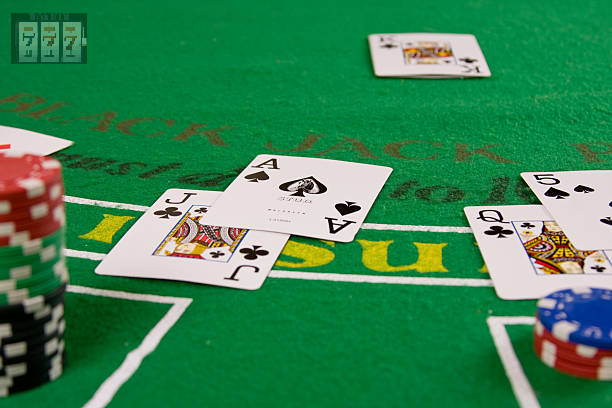
By the 19th century, the popularity of casinos surged, especially with the advent of games such as roulette and blackjack. These establishments were not merely venues for gambling; they became cultural icons, representing a lifestyle of elegance and excess. The social aspect of gambling, where people gathered for both leisure and competition, became a defining characteristic of casinos, setting the stage for their evolution into the vibrant entertainment complexes we see today.
The Influence of Technology
The 20th century brought significant technological advancements that dramatically altered the landscape of gambling. The invention of the slot machine in the late 1800s revolutionized the casino experience, allowing patrons to enjoy games without needing extensive skills or strategies. This innovation opened up gambling to a broader audience, making it accessible and enticing for many. As technology progressed, so did the complexity of games, incorporating elements of chance and skill that kept players engaged.
The digital revolution in the late 20th century further transformed the gambling industry. Online casinos emerged, allowing players to gamble from the comfort of their homes. This shift not only expanded the reach of casinos but also created a new culture of gaming, where virtual environments replicate the thrill of traditional casinos. The integration of mobile technology has made gambling even more convenient, ensuring that the casino experience continues to evolve with modern lifestyles.
Cultural Perspectives on Gambling
Gambling’s perception varies widely across different cultures, reflecting societal attitudes towards risk and chance. In some cultures, gambling is celebrated as a form of entertainment and social bonding, while in others, it is viewed with suspicion or moral objection. For instance, in many Western societies, casinos are often glamorized and associated with luxury, attracting tourists and locals alike. In contrast, some Asian cultures have stricter regulations surrounding gambling, which can lead to underground gambling activities.
The juxtaposition of these attitudes highlights the complexity of gambling within cultural contexts. Events like the annual Macau Grand Prix not only showcase the allure of gambling but also illustrate its significance in local culture. Understanding these cultural nuances is essential in recognizing how gambling practices have evolved over time, intertwining with social dynamics and values.
Conclusion: The Ongoing Evolution of Casinos
The evolution of casinos reflects broader societal changes and cultural shifts, demonstrating how deeply embedded gambling is in human history. From ancient rituals to modern technological innovations, casinos continue to adapt and grow, responding to the needs of diverse populations worldwide. The ongoing development of online platforms and mobile gaming signifies that this journey is far from over, ensuring that the casino experience will evolve further in response to emerging trends.
As we look to the future, understanding the historical context of casinos provides valuable insights into their significance today. Whether as entertainment, social hubs, or cultural institutions, casinos will undoubtedly continue to play a fascinating role in our lives, bridging the gap between time and culture in the world of gambling.