- Parc de l'Alliance, Avenue du Japon 1 1420 Braine l'Alleud
- 02 386 03 00
- leads@webforce.be

Understanding the psychology behind casino gambling behaviors
Temu: Meine Bestellungen anzeigen
février 25, 2026Extra plats 108 Heroes inte med omsättningskrav Free spins, casino, välkomstbonus
février 25, 2026The Appeal of Gambling: Why People are Drawn to Casinos
The allure of casinos is multifaceted, drawing individuals in with the promise of excitement, social interaction, and the chance to win big. One of the key psychological factors at play is the thrill of risk-taking. Many gamblers experience a rush of adrenaline when placing bets, which can create a sense of euphoria. This excitement often overshadows the potential for loss, making the gambling experience particularly enticing. Moreover, there are various options available, including uk online casinos not on gamstop, which attract players seeking different thrill levels.
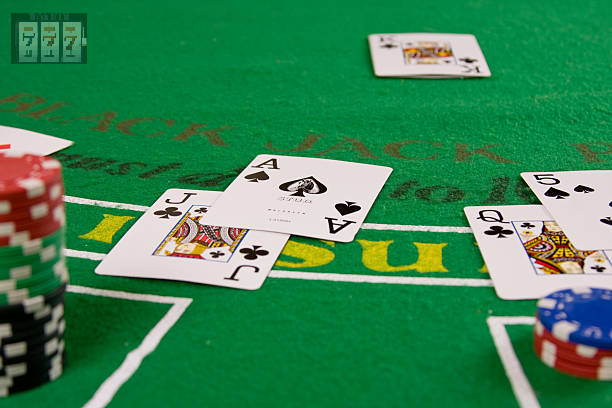
Furthermore, the environment of a casino is designed to enhance this appeal. Bright lights, engaging sounds, and the presence of other players contribute to an atmosphere that encourages decision-making based on emotion rather than logic. This sensory stimulation can lead to impulsive behaviors, reinforcing the desire to gamble even when it may not be financially prudent.
The Role of Cognitive Biases in Gambling
Cognitive biases play a significant role in gambling behaviors, shaping how individuals perceive risks and rewards. One common bias is the illusion of control, where gamblers believe they can influence the outcome of a game through their actions or strategies. This misconception often leads them to take greater risks, underestimating the house edge and their actual odds of winning.
Another prominent bias is the availability heuristic, where individuals judge the probability of events based on how easily examples come to mind. For example, vivid memories of winning a large jackpot may overshadow the countless times they have lost, thus perpetuating a cycle of gambling. These cognitive distortions can lead individuals to continue gambling despite negative outcomes, affecting both their financial stability and mental health.
The Impact of Social and Environmental Factors
Social influences significantly shape gambling behavior. For many, gambling is a communal activity, often associated with gatherings or celebrations. The presence of friends or family members can create a supportive environment, making it easier for individuals to indulge in gambling activities. Social norms and peer pressure can further exacerbate this behavior, leading to an increase in gambling frequency.
Additionally, the location and accessibility of casinos contribute to gambling habits. Areas with a high concentration of gambling establishments tend to promote a culture of gaming, normalizing the activity. The convenience of online casinos has also made it easier for individuals to gamble anytime and anywhere, further blurring the lines between entertainment and compulsive behavior.
The Psychological Consequences of Problem Gambling
While gambling can be a source of entertainment, it can also lead to severe psychological consequences for some individuals. Problem gambling can result in feelings of anxiety, depression, and isolation. The financial strain of gambling losses often exacerbates these issues, leading to a cycle of despair that can impact personal relationships and overall well-being.
Additionally, the stigma surrounding problem gambling can prevent individuals from seeking help. Many may feel ashamed or embarrassed about their gambling habits, leading them to suffer in silence. Understanding the psychological aspects of gambling can encourage empathy and support for those struggling with these challenges, highlighting the need for accessible resources and treatment options.

Conclusion: Building Awareness and Understanding
Understanding the psychology behind casino gambling behaviors is crucial in fostering a healthy relationship with gaming and promoting responsible gambling practices. By shedding light on the cognitive biases and environmental factors that influence gambling, individuals can make more informed decisions and recognize when their behavior may be crossing into problematic territory.
As awareness grows, it is essential for communities and organizations to provide support and resources for those affected by gambling-related issues. Building a framework for understanding can pave the way for healthier gambling behaviors and a more compassionate approach to problem gambling, ensuring that entertainment does not turn into a harmful obsession.